

Yes, hot water heat pumps work in cold climates. Most models sold in Australia are rated to operate down to around minus 10 degrees Celsius, which is well below the winter lows experienced across the vast majority of NSW, including the Southern Highlands and the tablelands.
How a Hot Water Heat Pump Actually Works
A heat pump does not generate heat by burning fuel or using electric resistance. Instead, it extracts heat energy that already exists in the outside air and transfers it into your water tank using a refrigeration cycle. This is the same principle used in a reverse-cycle air conditioner, just applied to your hot water system.
Because the unit moves heat rather than creates it, it uses significantly less electricity than a conventional electric hot water system. Under typical Australian conditions, a heat pump can deliver three to four units of heat energy for every one unit of electricity consumed.
What Temperature Is Too Cold for a Heat Pump?
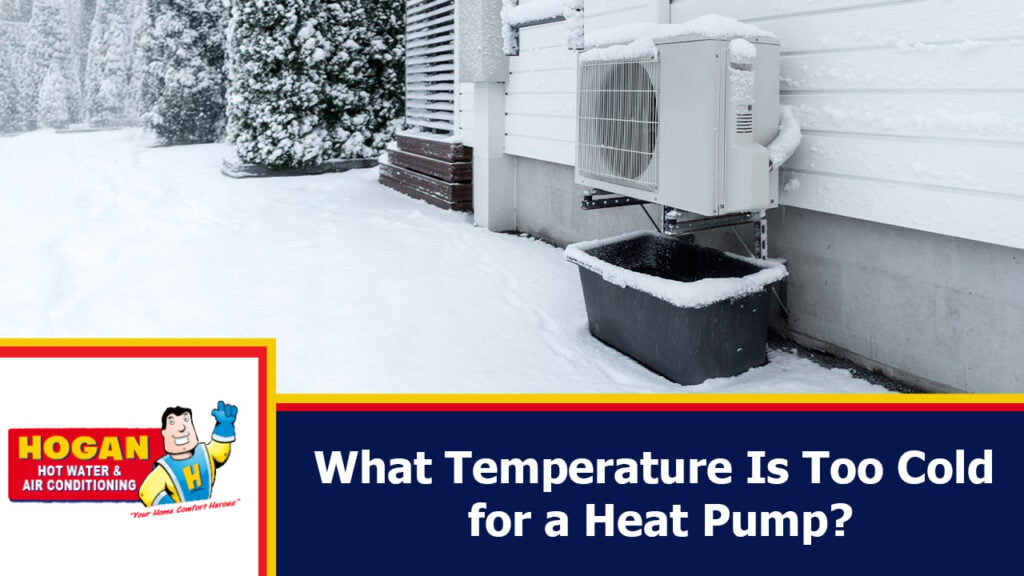
Most modern hot water heat pumps sold in Australia are designed to keep operating down to approximately minus 10 degrees Celsius. Below that threshold, the available heat in the air becomes too limited for the refrigeration cycle to function efficiently, and most units shut down or rely on a built-in backup heating element to maintain water temperature.
For practical reference, the Bureau of Meteorology records show that even the coldest regularly inhabited parts of NSW, including Perisher Valley and Charlotte Pass, see overnight lows that occasionally approach minus 10 degrees Celsius but rarely sustain temperatures at that level for extended periods.
Coastal and most inland NSW towns sit well above that threshold throughout winter.
If your property is at high altitude or in a frost-prone area, confirm the minimum operating temperature in the product specification before purchasing. A licensed installer can match the rated specification to your local climate data.
How Efficient Are Heat Pumps in Winter?
Efficiency is measured using the Coefficient of Performance (COP), which expresses how many units of heat energy the system delivers per unit of electricity consumed. A higher COP means lower running costs.
| Outside Air Temperature | Typical COP Range | Comparison to Electric Resistance |
|---|---|---|
| 20 degrees Celsius | 4.0 to 5.0 | 4 to 5 times more efficient |
| 10 degrees Celsius | 3.0 to 4.0 | 3 to 4 times more efficient |
| 2 degrees Celsius | 2.0 to 3.0 | 2 to 3 times more efficient |
| Near 0 degrees Celsius | 1.5 to 2.5 | 1.5 to 2.5 times more efficient |
These ranges reflect general performance data published by heat pump manufacturers and independent testing bodies. Actual performance varies by model, installation conditions, and usage patterns.
As the table shows, efficiency drops as temperature falls, but a heat pump running at COP 2.0 on a cold morning still uses half the electricity of a conventional electric element running at COP 1.0. Even in a cold NSW winter, annual running cost savings compared to electric resistance hot water are typical for correctly specified and installed systems.
Why Efficiency Drops but Does Not Disappear
The refrigerant inside the heat pump absorbs heat from the outside air at the evaporator coil. When the air is colder, the temperature difference between the refrigerant and the air is smaller, so the compressor works harder to extract the same amount of heat.
This extra compressor work reduces the COP. It does not stop the system from functioning; it just means the system runs for longer cycles and consumes slightly more electricity per litre of hot water produced.
Design Features That Help Heat Pumps Handle Cold Weather
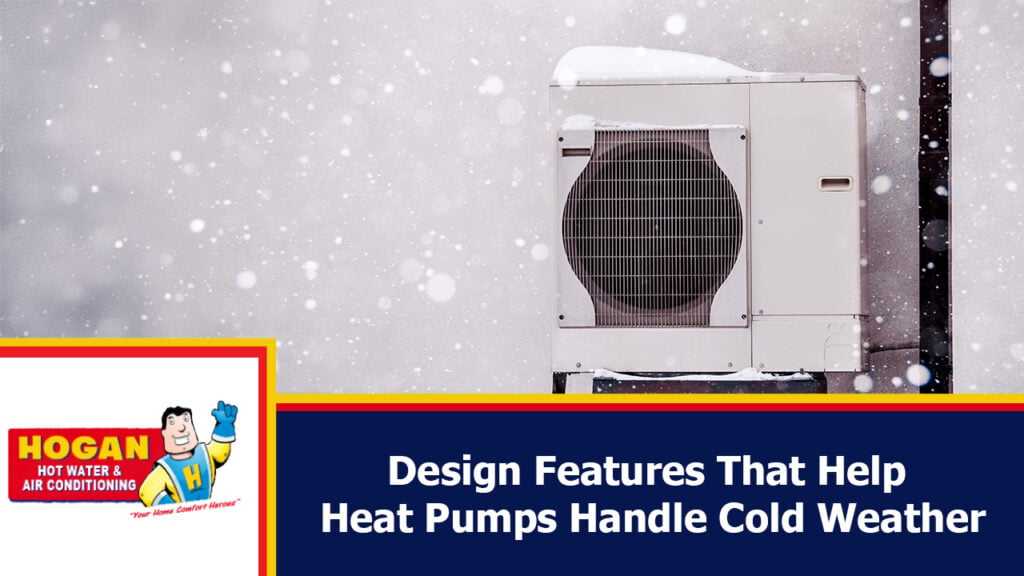
Manufacturers have addressed cold weather performance directly in current product generations. Features common in Australian-market models include:
- Low-ambient compressors designed to maintain compression efficiency at sub-zero intake temperatures
- Automatic defrost cycles that detect ice forming on the evaporator coil and briefly reverse the cycle to clear it without interrupting hot water supply
- Backup heating elements that activate automatically when air temperatures fall below the heat pump’s effective operating range, ensuring you always have hot water regardless of conditions
- Scroll compressors which are generally more efficient than older reciprocating compressor designs across a wider temperature range
Installation Factors That Affect Cold Climate Performance
Correct placement of the outdoor unit has a direct effect on how well a heat pump performs through winter. A few practical principles:
- Maximise air exposure. Position the unit where it has unrestricted airflow on all intake sides. Recirculating the same cooled air it has already exhausted reduces efficiency significantly.
- Favour a north-facing wall. In the Southern Hemisphere, a north-facing position receives the most solar gain, which means slightly warmer ambient air at the unit intake, particularly on clear winter days.
- Avoid frost traps. Shaded gullies, enclosed alcoves, or low spots where cold air pools on still nights will push the unit toward its lower operating limit more frequently.
- Check minimum clearances. Manufacturer specifications list minimum clearance distances from walls and obstructions. Undersized clearances reduce airflow and raise running costs.
A site assessment by a licensed installer before purchase will identify whether any of these factors apply to your property.
Long-Term Benefits in a Cold Climate
Running costs rise slightly on the coldest days, but the annual picture for most NSW households remains favourable. Understanding the full cost picture over a system’s lifespan, including upfront purchase, installation, running costs, and available incentives, is worth doing before committing. The breakdown of what a heat pump hot water system actually costs covers the main cost components for NSW conditions.
NSW residents may also be eligible for government rebates and small-scale technology certificates under the federal renewable energy incentive scheme, which can reduce the upfront purchase price. Eligibility depends on the product’s Zoned Energy Rating Label (ZERL) rating and the climate zone assigned to your postcode.
Should You Choose a Heat Pump in a Cold Climate?
For most NSW locations, including areas with cold winters and regular frosts, a properly specified heat pump hot water system is a sound choice. The technology is mature, the cold-weather operating range of current models covers the conditions found across the state, and the running cost advantage over electric resistance systems holds even in winter.
If you are comparing your options, performance in cold and overcast conditions is a meaningful point of difference between technologies. The comparison of how heat pumps and solar hot water perform across different NSW conditions covers this in detail, which is particularly relevant if your property has limited roof access or significant winter shading.
For properties at elevation above roughly 800 metres, or in areas that regularly record overnight temperatures below minus 5 degrees Celsius, a model rated for a lower minimum operating temperature is worth specifying, and a hybrid setup with an integrated backup element provides additional reliability.
Before You Buy: A Quick Checklist
- Confirm the model’s minimum operating temperature in the product datasheet
- Check your postcode’s ZERL climate zone to understand rated efficiency for your area
- Assess the proposed installation position for airflow, solar gain, and frost exposure
- Ask your installer whether a backup element is integrated or optional on the model you are considering
- Check current NSW and federal rebate eligibility before finalising your budget
Frequently Asked Questions
Do hot water heat pumps work in cold climates?
Yes. Most Australian-market hot water heat pumps are rated to operate down to around minus 10 degrees Celsius. Efficiency (COP) decreases as temperatures fall, but the systems continue to function and still use less electricity than a conventional electric element in all but the coldest extreme conditions. Built-in backup elements cover operation below the rated minimum.
What temperature is too cold for a heat pump?
For most current models, the effective lower operating limit is around minus 10 degrees Celsius. Below this, the heat pump component typically shuts down and a backup element takes over. In practice, sustained temperatures this low are uncommon across most of NSW, including high-altitude areas.
Always check the specific minimum operating temperature in the product specification for your chosen model.
Are heat pumps less efficient in cold weather?
Yes, but they remain more efficient than electric resistance heating in most cold conditions. At 20 degrees Celsius a typical COP might be 4.0 to 5.0, meaning four to five units of heat for every one unit of electricity.
At temperatures near zero, COP typically falls to around 1.5 to 2.5, which is still 1.5 to 2.5 times more efficient than a standard electric element. The efficiency gap narrows in very cold weather but does not reverse until temperatures fall well below what most NSW locations experience.